Five Fantastic Lawyers™ – Find Best Lawyers & Law Firms
Fantastic Lawyers and Where to Find Them:-
* If searching on mobile, click ‘Pages’ rather than ‘Posts’ to find our new Five Fantastic Lawyer™ pages.

Fantastic Lawyers, Beyond the Stars
Five Fantastic Lawyers™ (FFL™), previously known as YouBlawg, is your dedicated platform to seamlessly connect individuals, business owners, and stakeholders with exceptional legal talent for their diverse needs.
With a rich history spanning nearly 15 years, we’ve contributed over 5,000 legal articles on our legal advice blogs, offering invaluable insights to over 850,000 visitors worldwide, including those from the US, UK, Australia, Canada, and beyond.
Transitioning from a legal knowledge-sharing and information hub, Five Fantastic Lawyers™ now goes beyond the conventional. We are committed to helping users discover some of the finest lawyers and law firms through our rigorous proprietary 5-Point Law Firm & Lawyer Rating Process.
Find out more about our mission here and see some of the Award Badges you may see on law firm sites, available only to those listed in our database.
For consumers and business owners, to get started, use the search bar above, use our Find a Lawyer service, or see some of the top lawyers per practice area and location below.
And, for lawyers, firms and legal professionals, while you cannot pay to appear in our five fantastic lawyers listings, you can advertise around these potentially – see our pricing page here for more information on our options for you.
Lawyers, you’re fantastic already. Everyone has 4.5 or 5 stars. Let’s prove it differently, where fantastic lawyers shine.

Fantastic Free Legal Advice Providers
First, given the current cost of living issues and legal aid crisis, we’ve listed some of the top free legal advice providers for various countries with the mission of showcasing and championing the best free legal advice providers (university law clinics, law firms and lawyers and others) who provide free legal advice to those not able to afford to obtain legal help when they most need it.
- Fantastic Free Legal Advice Providers in the United States
- Fantastic Free Legal Advice Providers in the UK (includes Scotland, England & Wales and Northern Ireland)
- Fantastic Free Legal Advice Providers in Australia
- Fantastic Free Legal Advice Providers in Canada
If you know of any others for those lists above, we’d be very grateful if you could contact us here to let us know so we can update them to help them become vital resources for people who need them.
Fantastic US Lawyers & Law Firms
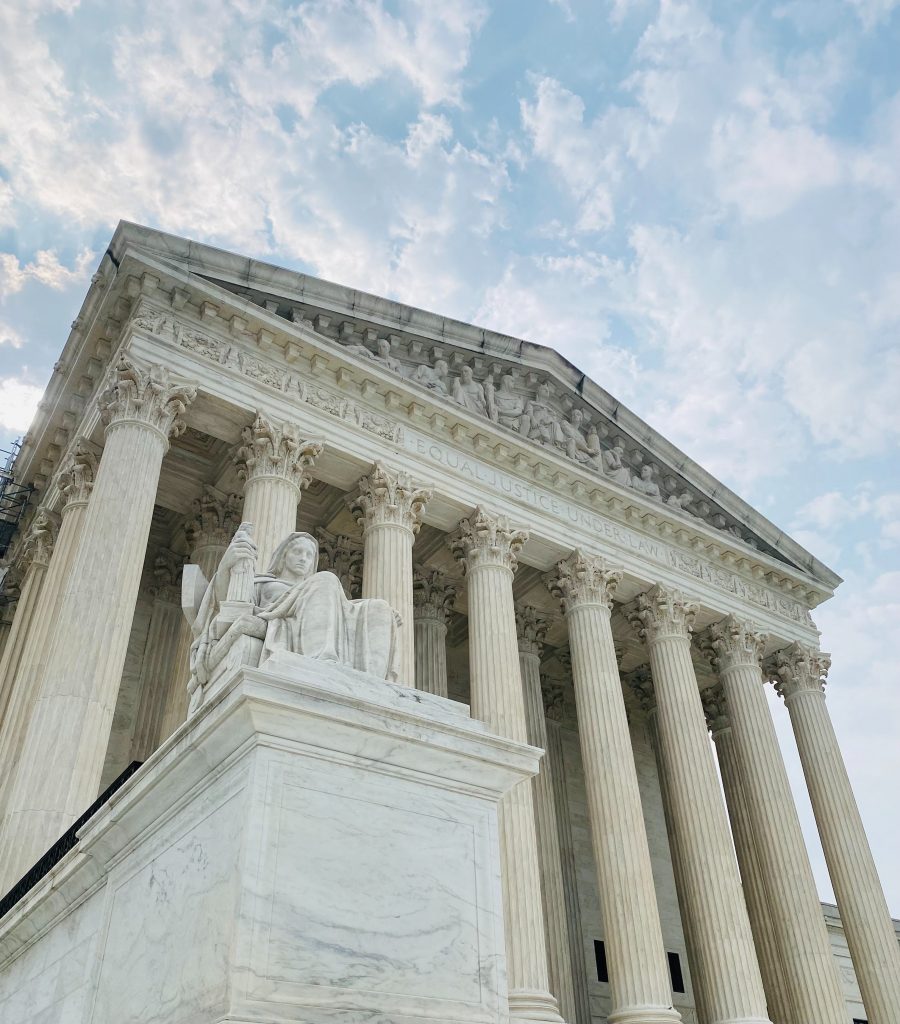
- Five Fantastic Lawyers US (General Firms by State/City)
- Five Fantastic Lawyers US (by Type of Legal Service Area)
- Five Fantastic Personal Injury Attorneys & Accident Lawyers in America
- Five of the Best Personal Injury Attorneys in Los Angeles, California (and see also Five Top Offshore Accident Lawyers in Los Angeles)
- Fantastic Personal Injury Attorneys New York
- Fantastic Personal Injury Attorneys Chicago, Illinois
- Top Pennsylvania Personal Injury Attorneys (Philadelphia)
- Fantastic Personal Injury Attorneys Phoenix, Arizona
- Top Accident Injury Attorneys Alabama (Birmingham)
- Five Great Personal Injury Attorneys in Detroit, Michigan
- Top North Carolina Personal Injury Lawyers
- Top Texas Personal Injury Attorneys
- Great Florida Personal Injury Attorneys
- Fantastic Georgia Accident Injury Lawyers
- Top Ohio Personal Injury Lawyers
- Great Washington Personal Injury Attorneys
- Fantastic Missouri Personal Injury Lawyers
- Five Fantastic Car & Motorcycle Accident Lawyers America:-
- Five Fantastic Chicago Motorcycle Injury Law Firms
- Five Fantastic Los Angeles Motorbike Accident Lawyers
- Five Fantastic New York City Motorcycle Accident Lawyers
- Five Fantastic Philadelphia Motorbike Injury Law Firms
- Five Fantastic Phoenix Motorcycle Accident Lawyers
- Five Fantastic San Antonio Motorcycle Injury Law Firms
- (See also our list of Five of the Top San Antonio, Texas 18-wheeler Accident Lawyers0
- Five Fantastic Washington, DC Motorcycle Injury Law Firms
- Five Fantastic San Diego Motorcycle Accident Lawyers
- Five Fantastic Divorce Lawyers in America (see also specific list of divorce attorneys by location below)
- Five Fantastic Speeding & Traffic Lawyers in America
- Five Fantastic Intellectual Property Lawyers in America
- Fantastic Labor & Employment Lawyers USA
- Fantastic DUI & DWI Lawyers USA
- Five Fantastic Criminal Defense Lawyers in America (and see also our guide on Five Top Los Angeles Financial & Sexual Criminal Defense Lawyers – Protecting Your Rights and Reputation)
- Five Fantastic Business Lawyers of America
- Five Fantastic Bankruptcy Lawyers in America
- Five Top Los Angeles, California Bail Bondsmen – Five Fantastic Law Bail Bondsmen
- Five Fantastic Personal Injury Attorneys & Accident Lawyers in America
- Top Divorce Lawyers in America – the following are some of America’s top divorce attorneys by State including information on divorce courts in parts of America within some of these pages too:-
- Five Fantastic New York City Divorce Lawyers
- Five Fantastic Washington, DC Divorce Lawyers
- Five Fantastic San Diego Divorce Lawyers + San Diego Family Law Court Info
- Five Fantastic Chicago Divorce Lawyers
- Top Los Angeles Divorce Lawyers
- Five Fantastic Private Detective Agencies USA
- Houston Divorce Lawyers – Five of the Best
- Philadelphia Divorce Lawyers
- Phoenix Divorce Lawyers – Five of the Best
- And see also our guide to Five Fantastic Online Divorce & Mediation Law Firms USA
Top Australia & Pacific Lawyers & Law Firms

- Fantastic Employment Lawyers in Australia
- Fantastic DUI & DWI Lawyers Australia
- Fantastic Family Lawyers Sydney NSW
- Five of the Best Contested Probate Lawyers in Sydney, New South Wales
Fantastic UK Lawyers & Law Firms
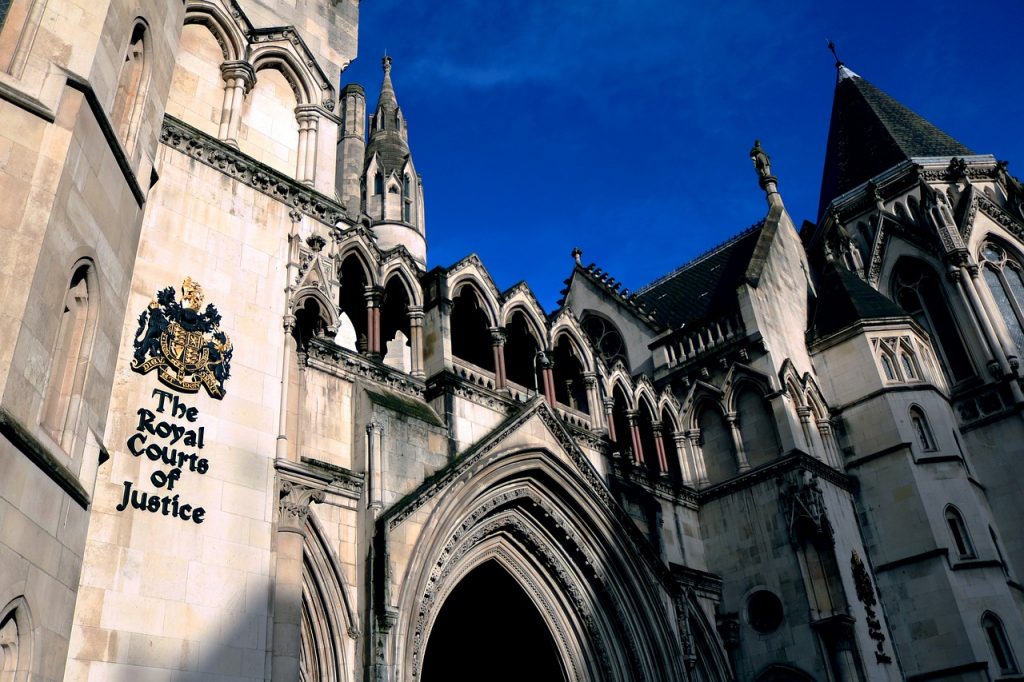
- Fantastic UK Free Legal Advice Providers – Fantastic UK Pro Bono Firms, Law Clinics, Lawyers & Organisations
- Fantastic Immigration Lawyers in the UK
- Top Personal Injury Lawyers in the UK (and see also some of the Top No Win No Fee UK Law Firms here and some top UK medical negligence lawyers here)
- Top Family Law Firms for the UK & Ireland
- Five Top UK No Win No Fee Lawyers – Legal Champions Without Financial Risk
- Five Top UK Settlement Agreement Employment Lawyers
- Fantastic Wills, Probate & Power of Attorney Lawyers UK
- Fantastic Wills, Probate & Power of Attorney Lawyers Southampton & Portsmouth
- Top Manchester Wills, Probate & Power of Attorney Lawyers
- Fantastic Wills, Probate & Power of Attorney Lawyers Birmingham & Wolverhampton
- Top Lawyers for Wills, Probate & Power of Attorney in Liverpool
- Fantastic Wills, Probate & Power of Attorney Lawyers London
- Top Road Traffic Defence Lawyers UK
- Top Leeds & Bradford Road Traffic & Motoring Offence Lawyers Yorkshire
- Fantastic Road Traffic & Motoring Offence Lawyers Southampton & Portsmouth
- Top Road Traffic Lawyers Liverpool
- Fantastic Motoring Offence Lawyers Birmingham & Wolverhampton
- Top Road Traffic Offence Lawyers Manchester
- Fantastic Road Traffic & Motoring Offence Lawyers London
Top Law Firms & Lawyers in Canada

The following are some of the top law firms and lawyers in Canada, from various practice areas. More to follow in due course:-
- Five Top Toronto Injury Lawyers – Personal Injury Law Firms in Toronto
- Five of the Best Toronto Medical Malpractice Lawyers
- Five Fantastic Toronto Employment Lawyers – Five Fantastic Ontario Employment Law Firms
- Five Top Toronto Class Actions Lawyers – Five Fantastic Firms
Further great Canadian law firms and lawyers to follow – suggestions and recommendations always welcome.
Top Law Firms in Ireland & Fantastic Irish Lawyers

The following are our initial lists of some of the top law firms and some of the best lawyers in Ireland:-
More great lawyers from Dublin and across Ireland to follow – again, recommendations always appreciated.
Suppliers to Lawyers & Law Firms
And see our new lists of legal sector companies, providers, and consultants who offer a wide range of services to law firms, such as business growth consulting, case management, and outsourced marketing services, as well as digital workflow, contract management software, and other legal software suppliers, are considered to be among the top legal suppliers:-
- Top AI Providers & Options for Law Firms & Lawyers (including ChatGPT)
- Best Case Management Software for Law Firms – Top Legal Software
- Top Legal Recruitment Agencies
- Five Top Toronto Private Investigators (Canada)
- Five of the Best UK Legal Transcription Services
- Top Law Firm Marketing Agencies in Los Angeles, California
Fantastic Famous Lawyers of All Time
Our new series focuses on some of the most famous fantastic lawyers of all time in history from around the world – see these as follows here:-
- Who were the five most famous lawyers of all time around the world?
- Who are the five most famous lawyers today?
- Who were the five most famous lawyers in the US?
- Who were the five most famous lawyers in the UK?
- Who were the five most famous lawyers in Australia?
- Who is the world’s richest lawyer?
Guides for Lawyers
In addition, we have various guides that may be useful for the lawyers on our site:-
- Top Five Guest Blogging Tips for Lawyers to Help You Establish Authority and Expand Your Reach in the Legal Community – This page offers valuable insights and practical tips for lawyers to effectively utilize guest blogging as a strategic tool to establish authority, enhance credibility, and expand their reach within the legal community.
- Top 5 SEO Tips for Lawyers: Enhance Your Online Visibility and Audience – Discover the top five SEO tips specifically tailored for lawyers.
- Top 5 Local SEO Tips for Lawyers: Increase your visibility in your area and bring in new clients – This page outlines effective local SEO strategies that can help lawyers.
- Family Law SEO Tips for Lawyers: Five Top Tips Boost Your Divorce Firm’s Online Visibility – If you’re a family law attorney seeking to boost your online visibility.
- Top 5 Personal Injury SEO Tips for Law Firms: Maximizing Online Visibility – Personal injury lawyers can leverage the power of SEO with these top five tips, enabling them to maximize their online visibility, attract potential clients, and grow their law firms.
- Top 5 SEM / PPC Advice for Lawyers: Dominate the Internet and Generate Income – This page provides expert advice on utilizing Search Engine Marketing (SEM) and Pay-Per-Click (PPC) strategies to help lawyers dominate the online landscape, reach a wider audience, and generate income.
- Top 5 Legal Content Marketing & AI Tips for Law Firms: Leveraging the Power of Technology – Discover how law firms can effectively leverage content marketing and AI technologies to enhance their online presence, engage with their target audience, and stay ahead in the digital age.
- Top 5 Law Firm Website Design Tips: Effective Online Presence – Learn essential website design tips for lawyers to create a professional and impactful online presence for your law firm.
- Top 5 Online Review Management Tips for Lawyers: Harness Your Online Reputation – Effectively manage your online reputation as a lawyer.
- Law Firm Press Releases – Top 5 Tips for Lawyers For How to Communicate Effectively and Master the Art – Master the art of crafting impactful press releases.
- Top 5 Client Intake/CRM Strategies for Law Firms: Improve Efficiency and Client Relationships – Enhance the efficiency of your law firm’s client intake process.
- Top 5 SEO Strategies for Road Traffic Lawyers / Motoring Law Firms – Road traffic lawyers and motoring law firms can optimize their online presence with these top five SEO strategies, ensuring their visibility and attracting clients searching for specialized legal services.
- How can law firms generate business online? SEO for lawyers – This page explores how law firms can effectively generate business online through SEO strategies.
- Has SEO become SRO? – An oldie but a goodie – post from 2012 exploring what was then the evolving landscape of SEO for law firms and explore the question of whether SEO has transitioned into SRO (Search Results Optimization).
Best Lawyers & Law Firms 2023 Update – How to Find a Great Lawyer to Advise and Represent You
With our new Five Fantastic Lawyers™ brand (www.fivefantasticlawyers.com is now here!), you can see below some of our guides to some of the best lawyers in certain niche areas of law.
There are several things to think about when choosing a lawyer or law firm to represent you or advise you on your legal problems. You should look for a lawyer or firm that specialises in the kind of legal situation you are dealing with – area of law the firm deals with is a crucial consideration and it’s usually better not to choose a generalist lawyer over one focused in a certain niche. Location is another significant consideration because you’ll usually want to hire one relatively nearby but, importantly, you’ll need one that can advise on the law and regulations in your State or country, otherwise known as your ‘jurisdiction’.
To learn more about the lawyer or firm’s reputation and track record, you may also wish to take into account reviews, ratings, and other details about them.
Based on reviews, ratings, and other considerations, the above are a few examples of top law firms and attorneys you might wish to take into account based on our proprietary 5-Point Review Process.
Funny Legal Jokes & Lawyer Memes
And in addition to the more serious lists of fantastic lawyers above, here are some of our Funniest Lawyer Jokes & Memes for the lighter side of the law.
More to follow!
We’ll be updating our directories of the best lawyers and law firms in due course. If you’d like to suggest categories for us to add please let us know. Get in touch here.
The information provided on this website is not legal advice, this website is not a lawyer referral service and no attorney-client or confidential relationship is or should be formed by use of the site. The listings on this website do not in any way constitute a referral or endorsement by this website. Your access of/to and use of this site is subject to additional Terms and Conditions. None of the content on this website constitutes a guarantee, warranty, or prediction regarding the outcome of any legal matter.


 12+ years sharing great legal advice

Comments on this entry are closed.